Reef keeping is expensive. Losing coral is devastating.
A single SPS frag can cost $50–$300. An alk crash wipes out months of growth in 48 hours. Most reefers are flying blind — logging in spreadsheets, forgetting to test, and finding out too late when something goes wrong.
Everything your reef needs
Built by a reefer who wanted one tool that does it all — without the complexity of a controller setup.
AI-Powered Analysis
Go beyond logging. ReefLog's AI analyzes your parameter history, detects trends, predicts consumption rates, and flags anomalies before they become emergencies.
Natural Language Entry
Type naturally, speak your results, or snap a photo — ReefLog parses it instantly. Log a full parameter set in under 30 seconds — so you actually build the habit.
Screenshot Import
Got your results from an ICP test or lab report? Screenshot it and ReefLog's AI extracts the values automatically. No manual data entry required.
Handwritten Notes
Snap a photo of your paper test log or notebook. ReefLog reads your handwriting and imports the values — bridging the gap between analog and digital.
Multi-Tank Tracking
Running a frag tank, display tank, and quarantine? Track unlimited tanks under one account. Each with its own parameter history, AI analysis, and alerts.
Doser Integration
Log your dosing schedules alongside your parameters. See how your two-part or calcium reactor correlates with alk and cal trends. Pause and track changes.
Simple, honest pricing
Start free forever. Upgrade when you need AI insights.
Nano Tank
Unlimited core tracking — forever free
Forever
- ✅ Unlimited tanks
- ✅ Unlimited parameter logging
- ✅ Livestock & equipment tracking
- ✅ CSV & Excel import
- ✅ Maintenance reminders
- ✅ Parameter charts & trends
- ✅ Natural language entry
- 📸 1 Species ID/month
- 📷 3 Photo imports/month
- ❌ AI Analysis
- ❌ Dosing Analysis
- ❌ ReefBrain Chat
Display Tank
AI-powered reef intelligence
per month
- Everything in Nano Tank, plus:
- 🔬 4 AI Analyses/month
- 💊 4 Dosing Analyses/month
- 💬 15 Chat messages/month
- 📸 5 Species IDs/month
- 📷 10 Photo imports/month
- 📊 Reef Score breakdown
- Priority support
Great Barrier
For the coral obsessed
per month
- Everything in Display Tank, plus:
- 🔬 15 AI Analyses/month
- 💊 15 Dosing Analyses/month
- 💬 50 Chat messages/month
- 📸 25 Species IDs/month
- 📷 25 Photo imports/month
- Controller integrations
- ⭐ Priority feature requests
Founding Member Offer
Early adopters who sign up now get 20% off for life. This discount locks in permanently — it won't go away when we raise prices. Built by a reefer, priced for reefers.
Claim Your Founding RateBuilt by a reefer, for reefers
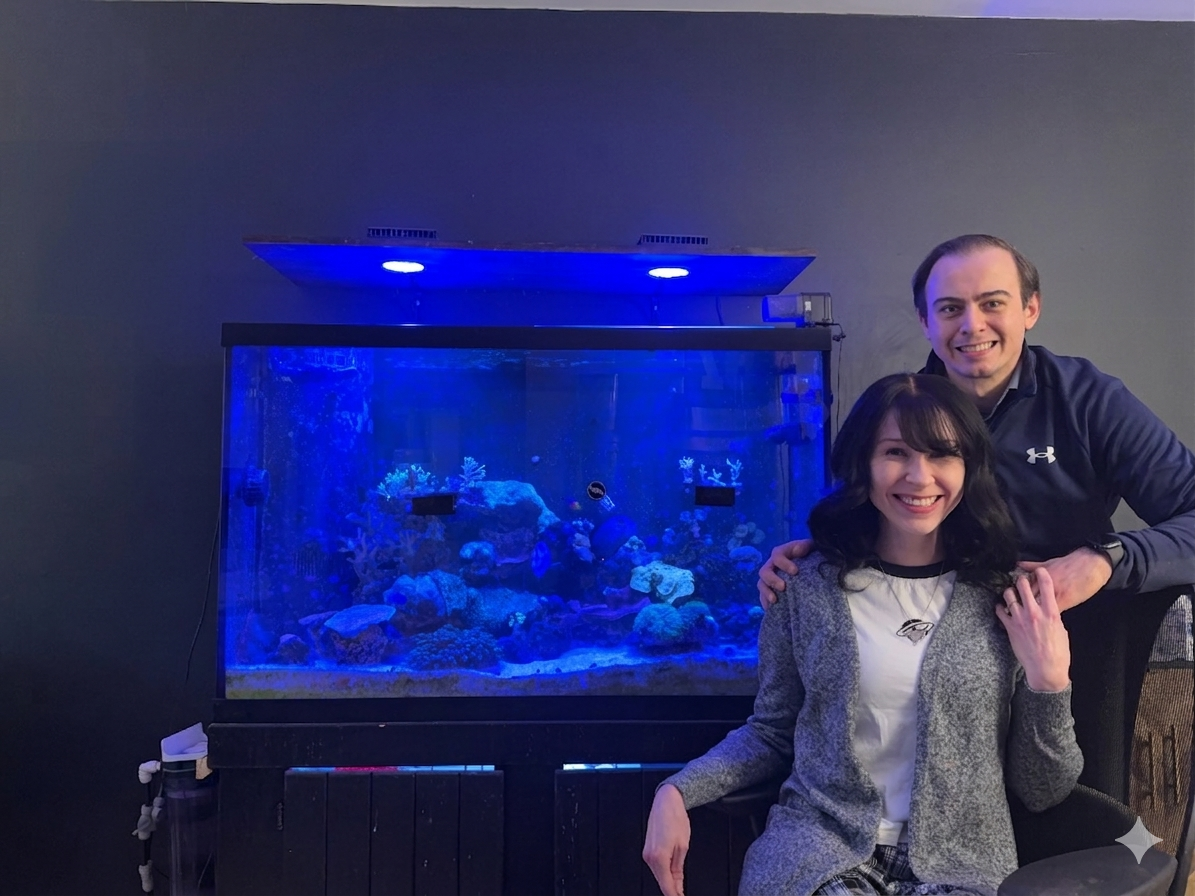
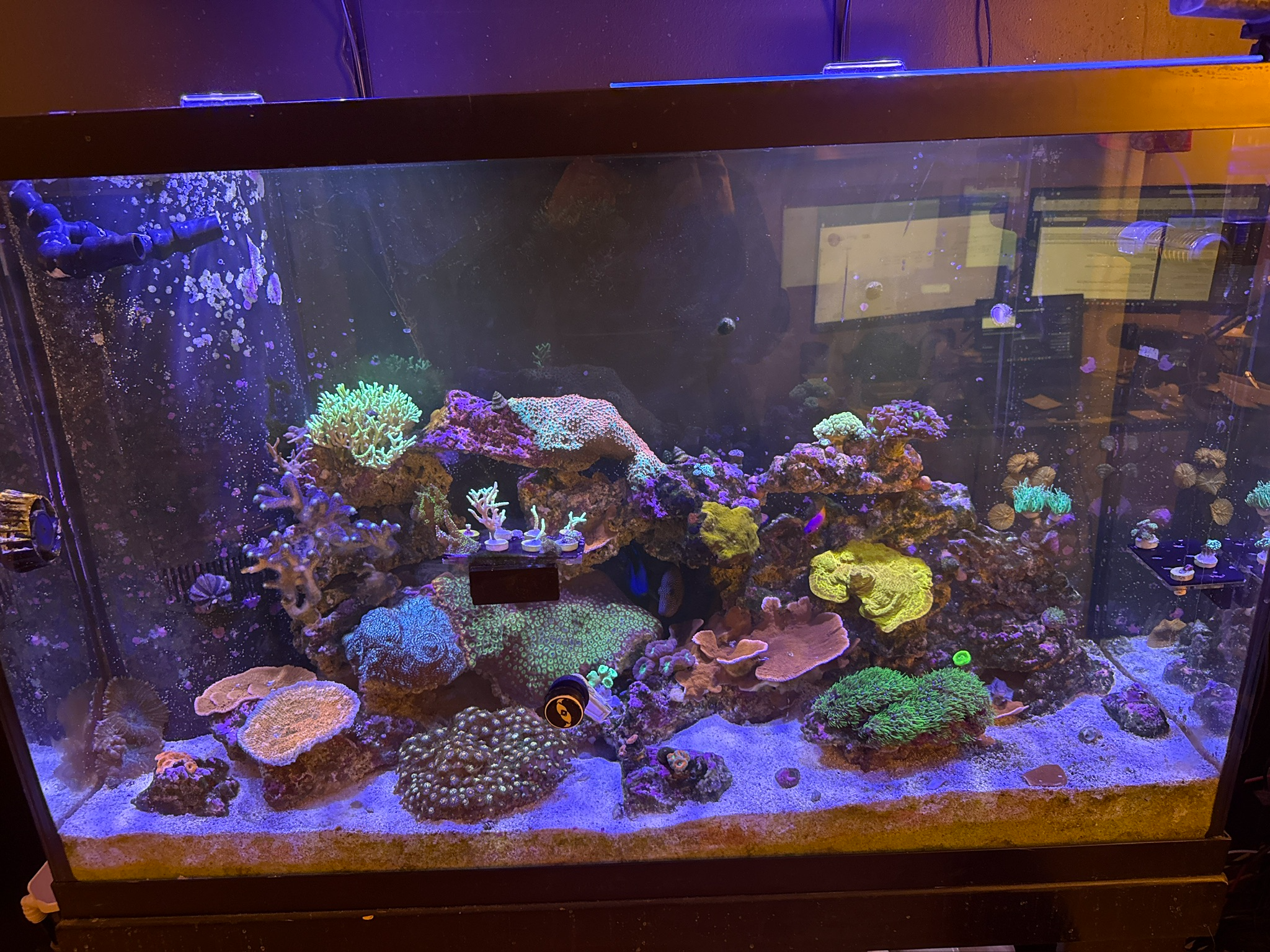
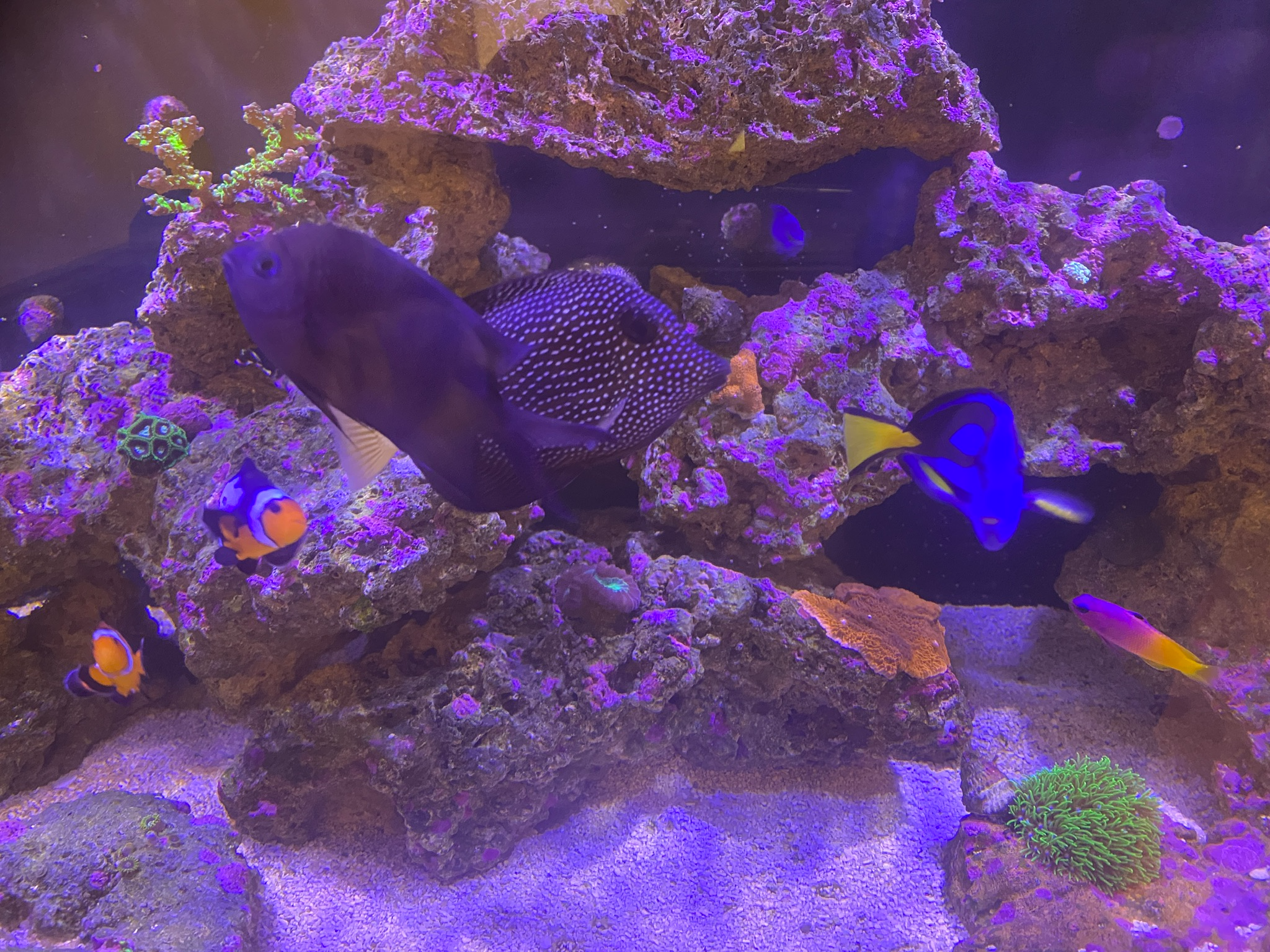
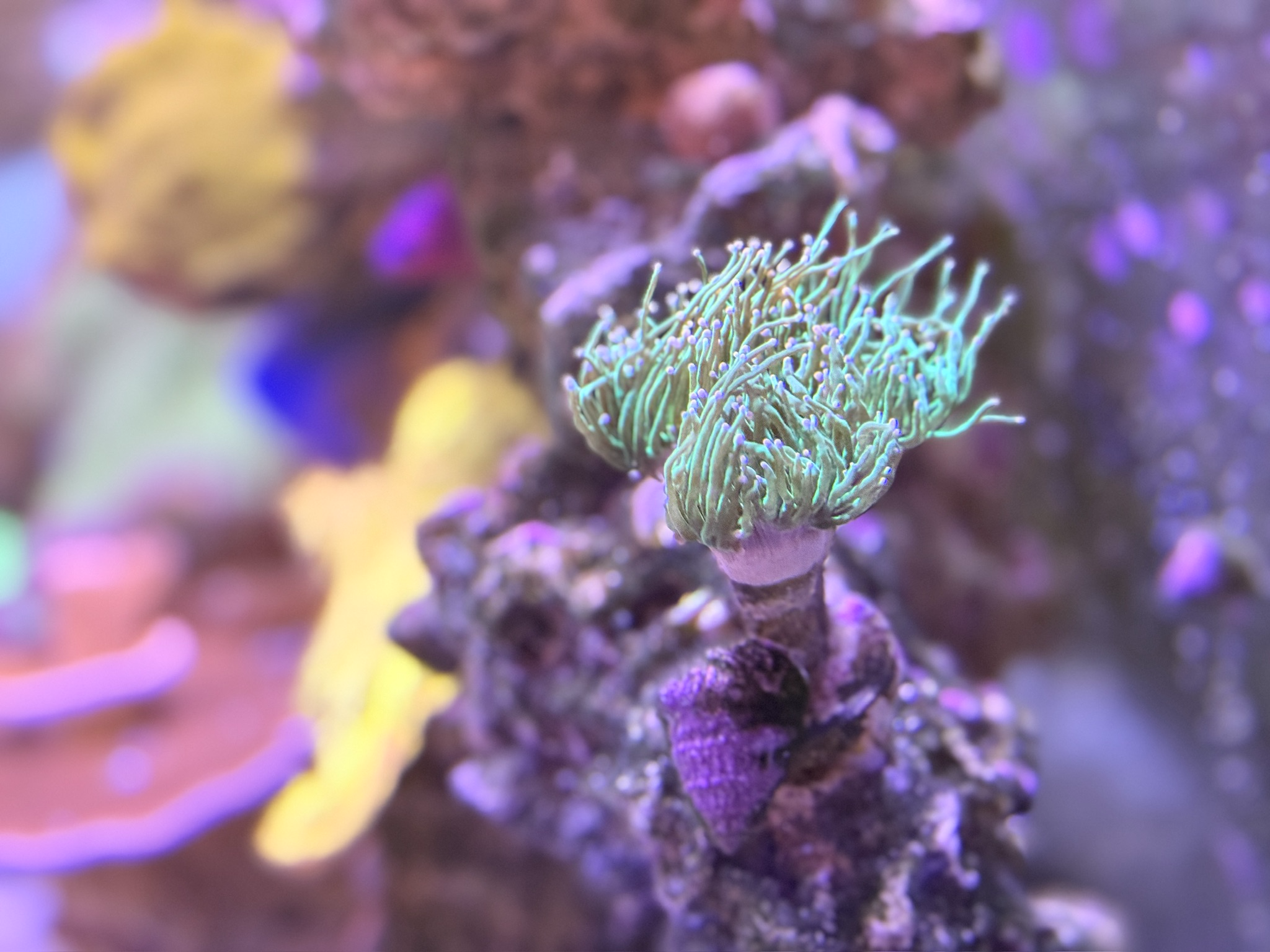
I'm Tyler. I've been keeping reef tanks for years, and I've killed coral the same way everyone kills coral — by not catching problems early enough. Missed a week of testing. Didn't notice the slow alk creep. Found out at water change time that something was off.
I tried every tracking tool I could find. Spreadsheets were powerful but tedious. Existing apps were either too simple or built for a different era of software design. None of them had AI. None of them caught trends automatically.
So I built ReefLog — starting with the features I needed for my own tanks, then expanding based on what the reef community actually wanted.
"I want every reefer to have an AI co-pilot watching their tank — not a replacement for your experience, but a tool that never forgets to check and never misses a trend."
Based in Nova Scotia, Canada. 🪸
From the Reef Log
The 8 Water Parameters Every ReefLog Should Track (And Why)
Alkalinity, calcium, magnesium, pH, salinity, nitrate, phosphate, and temperature — these eight parameters are the difference between a thriving reef and a dying one.
How AI Is Changing Reef Tank Management
AI isn't just a buzzword in reef keeping. When applied to parameter tracking, it can catch problems before they become emergencies. Here's how it actually works.
Why I Built ReefLog — A Reefer's Frustration with Existing Tools
After three years of reef keeping and too many late-night parameter panics, I decided existing tools weren't cutting it. Here's the story of why I built something better.